

OTHELLO — Ballots for the Nov. 4 general election will be mailed in about three weeks. We reached out to Birdie Fought, and Juan “Jerry” Garcia. The two are both running for the open position 3 on the Othello School District Board of Directors. The pair shared their visions for our local schools.

Here’s what the candidates have to say:
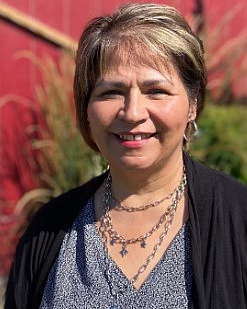
Birdie Fought
1) Tell us about you, your background, family, passions, etc.
I was born and raised in Othello, with just a short time away, and I’m proud to call this community home. I graduated from OHS in 1985 and just six months later, I married my high school sweetheart. This December, we’ll celebrate 40 wonderful years together. We raised our two children here, both OHS graduates, and today I’m blessed to be “Memaw” to three grandchildren—with two more on the way!
Professionally, I bring more than 30 years of experience in both juvenile and adult corrections, where I developed a strong commitment to accountability, growth, and second chances. My husband and I later stepped away from the traditional 8–5 life to pursue our passion for catering. Through this work, we’ve had the joy of connecting with people—friends and strangers alike—over good food and meaningful moments.
Outside of work, I love spontaneous bike rides, road trips, and sharing meals with friends. Most of all, I’m passionate about people, my community, and the future of Othello’s students.
2) Why are you running for school board? What are your qualifications to help lead Othello’s schools?
I’m running for the Othello School Board because I believe every student deserves the tools and support to succeed. As a lifelong resident and proud OHS graduate, I’ve experienced the strength of this community firsthand.
With over 30 years in juvenile and adult corrections, I bring experience in accountability, fairness, and working with families to overcome challenges. As a small business owner, I also understand budgeting, collaboration, and decision-making that serves the whole community.
I’m committed to being approachable, listening to students, families, and staff, and ensuring Othello schools are safe, welcoming, and focused on preparing our kids for bright futures.
3) What do you believe is the role of an individual school board member, and the role of the board as a whole?
I believe the role of an individual school board member is to listen, learn, and represent the voices of our community with integrity. Each member should be open to asking questions, gathering input, and ensuring that parents have a seat at the table, while keeping students at the center of every decision.
The role of the board as a whole is to work together as a team. Together, the board sets policies, approves budgets, and supports staff so our schools can provide safe, strong learning environments. The board must also provide accountability and oversight while casting a clear vision for the future of our district.
By collaborating respectfully and keeping students and families first, the board can make decisions that truly benefit the entire Othello community.
4) Have you participated in past board meetings or committees?
Yes. During my parenting years, I served on various community and parent committees, always staying engaged in school-related issues. Over the years, I have attended community forums that focused on important topics such as school safety. Most recently, I’ve been attending school board meetings in person and via Zoom to stay informed and connected. Just as importantly, I make it a priority to listen and ask questions of staff, students, and families to better understand the challenges and opportunities in our schools.
5) How have you worked, thus far, to support education in Othello?
Professionally, as a juvenile probation officer, I worked closely with schools to enforce attendance or find meaningful alternatives for students on my caseload. That experience gave me firsthand insight into how accountability, encouragement, and school support can change the course of a student’s life.
More recently, my husband and I have participated in OHS annual Career Showcase, where we’ve spoken with future entrepreneurs about running a small business. I also make it a priority to attend school board meetings and to listen to staff, students, and parents—because their voices are vital in shaping the future of education in Othello.
6) What do you think are some things that Othello School District is currently doing well?
Two areas I feel Othello school district is doing well are: College & Career Readiness Programs: The district’s pathways programs are helping students explore and prepare for post-high school options. Students have access to courses, counseling, and early exposure to career clusters that fit their interests and the job market.
Just recently they secured a a 21st-Century Grant which will enable learning opportunities—before school, after school, and during the summer—offering academic support, enrichment, and safe environments for students.
7) What are the top needs that you think the district needs to address?
One of the district’s greatest needs is ensuring that our economically disadvantaged, multilingual, and migrant students have the support required to thrive. These students face unique barriers, and we must continue to strengthen language services, provide culturally responsive teaching, and expand wrap-around supports so that every child feels seen, supported, and set up for success.
Another critical area is early childhood education and intervention services. Identifying learning gaps, developmental delays, or language needs early can make a lasting difference in a child’s educational journey. Programs like LEARN Academy and Child Find are strong starting points, but we need to make sure they are fully supported and accessible to families. By investing in these areas, we can close learning gaps sooner and help more students enter school confident and ready to learn.
9) What are your views on educator salaries and benefits?
I believe our educators deserve fair, competitive salaries and strong benefits. Teachers and staff are the foundation of student success, and we cannot expect to recruit or retain high-quality professionals without offering compensation that reflects their value. At the same time, we know Othello faces budget challenges, so it is essential to work collaboratively with staff, unions, and the community to find sustainable solutions. Supporting our educators isn’t just about pay—it’s also about ensuring manageable class sizes, professional development opportunities, and a positive working environment where they feel respected and supported. When we invest in our educators, we are directly investing in our students.
10) In your opinion, are there unmet educational needs in Othello? What is your plan to address them?
Yes—Othello has unmet educational needs, especially in supporting multilingual, migrant, and economically disadvantaged students who face barriers to learning. Many students need additional language services, tutoring, and family engagement resources, and we must also strengthen early intervention so children start school ready to learn.
The good news is that the recently awarded 21st-Century grant will directly help address these needs by funding before-school, after-school, and summer programs. These opportunities provide extra academic support, enrichment, and safe spaces for students who might otherwise fall behind. My hope is that this grant is implemented effectively and equitably, while also continuing to prioritize funding for student supports, expand community partnerships, and bring families into the decision-making process. With these combined efforts, we can close learning gaps and build a stronger foundation for every child in Othello.
11) How should schools approach teaching subjects like racism, LGBTQ rights, sex education and other “controversial” subjects?
These are not standalone “subjects” but important topics that may come up in classroom discussions. As a school board member, my responsibility would be to ensure that our district follows the Office of Superintendent of Public Instruction (OSPI) guidelines and policies. These standards are designed to provide age-appropriate, fact-based instruction that prepares students for the world they live in while respecting diverse perspectives. My focus is on creating a safe and inclusive learning environment where students can ask questions, think critically, and learn to respect others. Ultimately, I believe in supporting our educators with clear guidance and resources so they can handle sensitive discussions appropriately, while ensuring families remain informed and engaged in their child’s education.
12) What is your opinion regarding schools “banning” certain books?
Books are a powerful way to teach students how to think critically, not just what to think. While not every book is right for every grade level, outright bans limit opportunities for students to ask questions, explore ideas, and prepare for the diverse world they’ll enter after graduation.
For those who want more information, I encourage parents and community members to review the ACLU of Washington’s Book Banning FAQ at aclu-wa.org/story/book-banning-washington-state-faq. This approach ensures a strong education while respecting our community’s values.

Juan “Jerry” Garcia
1) Tell us about you, your background, family, passions, etc.
I am Juan Garcia, the son of an immigrant and born from a Texan mother into the small town of Othello. I am 29 years young and I come from a Hispanic family. Currently, I’m a Corrections Officer going on 5+ years. Living in Othello with my family. I am passionate about aiding the youth into becoming independent and educated adults.
2) Why are you running for school board? What are your qualifications to help lead Othello’s schools?
I am running for School Board because I believe education is the best way to prevent the next generation from becoming a negative statistic. My experience as a Corrections Officer has shown me the importance of strong schools, mentors, and second chances. I have years of experience in teamwork, de-escalation, policy observing, making tough decisions, which are skills that may help me contribute to the Board’s end goal.
3) What do you believe is the role of an individual school board member, and the role of the board as a whole?
The role of individual members is to be someone who respects the boundaries of their position, along with listening to their constituents, which includes students, staff, parents, and civilians. To hear their questions and concerns thus to make informed decisions. The Board as a whole sets the vision for the district, manages the budget, and supports the Superintendent so that schools can do their work efficiently.
4) Have you participated in past board meetings or committees?
I stay up to date with board meetings via YouTube. Currently, it is difficult to attend in-person meetings with work scheduling. I look forward to being more involved, especially when given the physical opportunity.
5) How have you worked, thus far, to support education in Othello?
I have not had the opportunity to be directly involved in supporting education in Othello so far, but that is one of the main reasons I am running for School Board. I see this as my chance to step up for my community, learn from our educators and families, and contribute to make our schools stronger. My goal is to bring a fresh perspective and work hard to be a voice for students, parents, and employees.
6) What do you think are some things that Othello School District is currently doing well?
The district has done a good job keeping graduation rates steadily rising. Schools like Wahitis Elementary show strong reading and math results compared to the district average, which proves that student success is possible here.
7) What are the top needs that you think the district needs to address?
The biggest need right now is balancing the budget without hurting student programs, and supporting staff throughout these changes. Staff retention, student scores, possible declining enrollment, along with graduation rate. We need to focus on improving students’ mental health, to stay positively engaged.
8) What are your budget priorities?
I recall numerous conversations with educators, and a common thing they have mentioned to me is “don’t cut library or sports!” Thus, my priority is to put money where it matters the most: class resources, staff members, supportive programs that keep kids on track academically, socially, and environmentally safe.
9) What are your views on educator salaries and benefits?
These people spent countless hours, money, and memories just to reach this point for the privilege to educate. We need their effort and loyalty. Retention is vital. Educators are on the front line, and we need to keep excellent staff. Competitive salaries and benefits help us recruit and keep quality staff.
10) In your opinion, are there unmet educational needs in Othello? What is your plan to address them?
I can see some unmet educational needs in Othello due to barriers we are exhibiting in our finances as well as statistics . My plan first is to listen closely to teachers, parents, and students to pinpoint where students feel they need the most help. From there, I would work with the board to protect, support, or find replacement funding for critical programs or objectives.
11) How should schools approach teaching subjects like racism, LGBTQ rights, sex education and other “controversial” subjects?
The subjects ought to be considered and taught in a manner that is age-appropriate, respectful, and focused on building an understanding along with respect for others. Parents should have a chance to know what is being taught and to be a part of the conversation. These topics are vital to prevent discrimination, isolation, and negative consequences for the youth.
12) What is your opinion regarding schools “banning” certain books?
I believe students should have access to books that reflect diverse perspectives, but we also need to make sure materials are age-appropriate. Working with teachers and parents can help strike the right balance.

